The Best Way to Support Spouses That Live Apart Because of Memory Care Home Needs
Couples often arrive at a memory care community after long months of home caregiving. The transition changes daily life, identity, and the experience of being married.
Research on dementia caregiving describes spouses experiencing a swirl of emotions that includes heartbreak, relief, and guilt. The idea of ambiguous loss helps name that experience, since a partner may be physically present and yet changed by dementia.
Naming these feelings brings compassion to a difficult step. It reminds spouses that the marriage continues, only in a new form, supported by a memory care community or memory care home.
Making Space For Mixed Feelings Without Shame
Care partners report loneliness after visits, along with gratitude that their loved one is safe. Relief shows up as sleep returns and emergencies decline, while grief lingers as routines shift.
Accepting this mix reduces self-blame. Choosing a dementia care community does not end the role of spouse; the role simply shifts from hands-on daily care to presence, advocacy, and emotional connection.
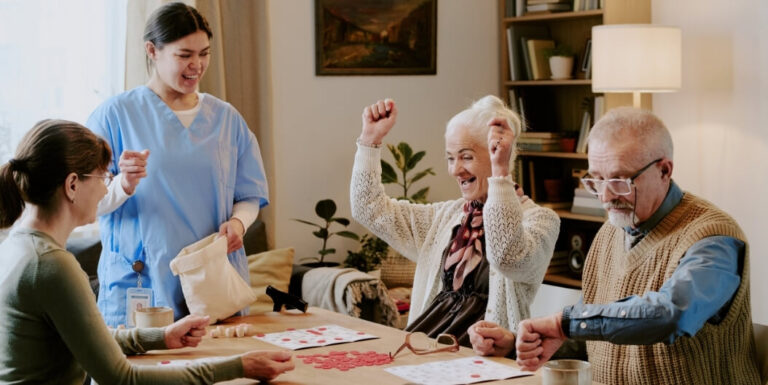
Small rituals help: bring a favorite playlist, share a simple snack, pray together, look through photo books, or sit quietly during an activity the resident enjoys. Staff in a memory care assisted living setting can suggest visit times that match energy patterns so moments together feel calmer and more connected.
Staying a Couple Across Two Addresses
Family involvement improves adjustment for residents and for loved ones. Spouses who attend care conferences, share life histories, and communicate preferences help the team personalize their support.
Communities that invite this partnership see stronger trust and fewer misunderstandings. Consider penciling in a weekly visit rhythm, then add lighter touchpoints on off days, such as a short phone call with staff for an update.
Many couples like to anchor connections around music, spiritual practices, or a shared pastime adapted for the setting. Spouses in the Houston area often search for memory care near me or memory care in kingwood to find a place that welcomes ongoing involvement rather than limiting family to visitor status.
Caring For The Spouse Who Returns Home Each Night
Attention often centers on the resident, yet the spouse at home still needs care. Emotional fatigue and identity shifts can persist after placement.
Counseling focused on ambiguous loss, support groups for partners of residents in memory care communities, and education about dementia progression all help. Community teams can connect families with reputable national resources and local peer groups, enabling the well spouse to rebuild routines and improve their health.
Activity helps, too. Volunteer work, walking groups, or a creative class offers structure and reduces isolation. Comfortable senior living apartments on the same campus can sometimes support couples when one partner needs specialty memory care and the other prefers a more independent setting.
Practical Ways To Stay Involved Without Burning Out
Plan visits that balance quality with rest. Shorter, frequent visits often feel better than long, exhausting ones.
Bring simple conversation starters, such as three photos from a shared trip or a list of ingredients for a favorite dessert. Ask the team for gentle ways to end a visit so the goodbye feels less abrupt. Keep a small notebook for questions and observations, which keeps communication clear and reduces worry overnight.
Communities that offer both memory care and assisted living make it easier to adjust support as needs change, and they often host family education sessions that teach communication strategies, redirection techniques, and ways to manage common behavioral symptoms in a kind and respectful manner.
Choosing A Setting That Supports Both Partners
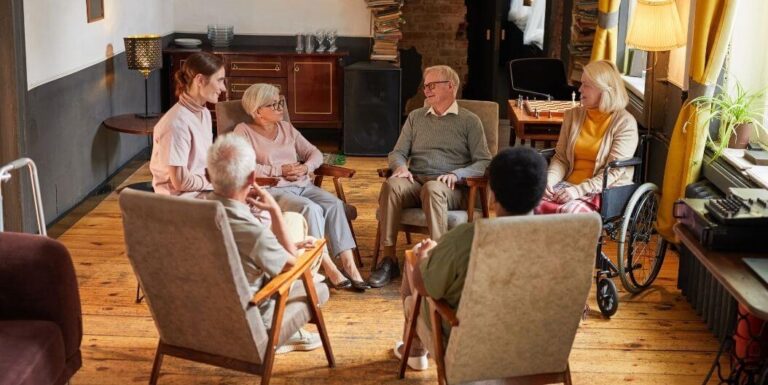
Safety, meaningful engagement, and family partnership should guide the selection process. Look for visible safety features, calm shared spaces, consistent staffing, and activity calendars that include music, movement, and life-skills programs. Ask how new families are welcomed, how staff learn each person’s story, and how spouses can participate without feeling like pseudo-staff.
Families searching for assisted living kingwood or assisted living kingwood tx often appreciate campuses that provide a continuum of care so the well spouse can remain nearby, shift roles gracefully, and keep a shared routine of visits, meals, and celebrations.
Looking For A Safe And Supportive Memory Care Community In Kingwood? Visit Landon Ridge Kingwood Memory Care Today
Ensure your loved one has the safe and secure living environment they deserve. Landon Ridge Kingwood Assisted Living & Memory Care offers a specialized memory care program for seniors living with forms of dementia, such as Alzheimer’s disease.
Families gain peace of mind knowing care is personalized and compassionate. Our community also provides assisted living, which supports changing needs over time and complements the specialty memory care neighborhood for couples who live in two different care settings.
Schedule a tour of Landon Ridge Kingwood Memory Care today to learn more about our memory care community, our focus on partnership with families, and how we can help you find the right next step.