6 Recreational Amenities in Memory Care That Improve Quality of Life for Seniors
When someone you love is living with dementia, you want more for them than safety alone. You want them to laugh, connect with others, enjoy familiar pleasures, and feel a sense of purpose each day. The right memory care community makes that possible by looking beyond basic supervision to support your loved one socially, emotionally, and physically.
Recreational amenities play a central role in that experience. Thoughtfully designed activities and spaces help residents use the skills they still have, discover moments of joy, and build relationships with peers and caregivers. In this guide, we will look at six recreational amenities that can truly enrich daily life in memory care, along with what to ask as you compare communities.
Why Recreational Amenities Matter in Memory Care
For people living with Alzheimer’s disease or another form of dementia, an unstructured day can feel confusing or isolating. Meaningful activity gives the day shape and rhythm, which can bring comfort and reduce restlessness.
Recreation also offers something deeper. A familiar song, a simple baking project, or a quiet walk outdoors can spark memories, encourage conversation, and remind your loved one of who they are. When activities are designed around each person’s current abilities, residents can participate successfully and feel the satisfaction of being involved.
6 Recreational Amenities in Memory Care That Improve Quality of Life
1. Enriching Activities That Support Cognitive Engagement
The best memory care communities offer activities designed specifically for people living with memory loss. These are not generic time-fillers. They are thoughtful programs that invite residents to participate at their own level and offer meaningful stimulation without frustration.
Life skills activities, such as folding laundry, sorting objects, or helping with a simple baking project, can tap into long-held routines and create a sense of accomplishment. Activities like arts and crafts, bingo, and storytelling encourage focus and conversation in a relaxed way. Storytelling in particular can draw out treasured memories, as explained in this article on the importance of storytelling programs in memory care.
What to ask: How are activities adapted for residents at different stages of memory loss?
2. Social Programs That Foster Connection
Social connection remains important throughout life, and memory care makes it easier to maintain. A strong community offers regular opportunities for residents to gather with peers and team members in a comfortable, low-pressure setting.
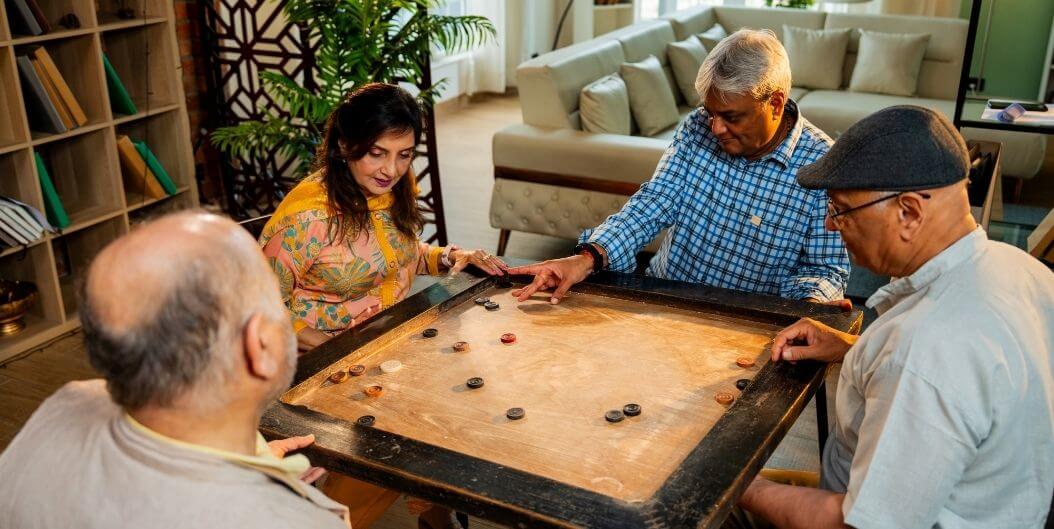
These programs might include group games, holiday celebrations, faith gatherings like Bible study, or simply time to chat together over coffee. The key is that programs are designed with dementia in mind, so your loved one can participate fully and feel like a valued part of the group. Even small moments of shared laughter can make a big difference in how a day feels.
What to ask: How often do group activities take place, and how does the team help quieter residents join in?
3. Wellness Programs Adapted for Memory Care
Physical activity is just as important for people living with dementia, but standard exercise classes may not be the right fit. Quality memory care communities offer wellness programming tailored to residents’ abilities, such as gentle movement, chair exercises, stretching, and guided walks.
These programs support strength, balance, and mobility in a safe, supportive way. They also bring structure to the day and create another chance to socialize. Calming practices like morning meditation can help residents start the day feeling relaxed and centered. For many residents, a regular wellness routine becomes a reassuring and predictable part of the week.
What to ask: What types of health and wellness programming are offered, and how are they adapted for different mobility levels?
4. Dining Experiences in Comfortable, Calming Settings
Mealtimes in memory care should be about more than nutrition. They are a daily opportunity for comfort, enjoyment, and connection. Chef-prepared meals that balance taste and nutrition, served in a calm and welcoming dining room, can turn mealtimes into a highlight of the day.
Thoughtful dining programs often include visual menus that let residents see and choose their meals, ambient lighting and soothing background music to reduce stress, and friendly conversation with care associates. Trained team members offer gentle assistance when needed, always in a way that preserves dignity and independence.
What to ask: How does the dining program support residents who need help or encouragement at mealtimes?
5. Safe Outdoor Spaces and Nature
Time outdoors offers wonderful benefits for people in memory care. Fresh air, sunshine, and natural surroundings can lift moods, encourage movement, and provide a peaceful change of scenery.
Look for communities with secure outdoor areas or walking paths where your loved one can enjoy nature safely. Group activities outdoors, from gentle walks to gardening, add a social element as well. This article on the health benefits of outdoor group activities in memory care explores how time outside supports well-being.
Creative and sensory activities can be just as meaningful indoors. Music often reaches people in powerful ways, and familiar songs can bring comfort and connection even when other memories have faded. Art activities offer a way to express feelings without relying on words.
What to ask: How often do residents have supervised time outdoors, and what music and creative activities are offered?
6. Comfortable Common Spaces for Residents and Families
Shared spaces shape how a community feels. Comfortable common areas with homelike furnishings, good lighting, and clear, easy-to-navigate hallways help residents feel relaxed and confident moving around.
Amenities like a library, beauty salon, or hand and nail spa offer small pleasures that help residents feel cared for and like themselves. Just as importantly, a welcoming community encourages family involvement and provides inviting spaces where you can spend quality time with your loved one during visits.
It can also help to review the community’s floor plans to picture how your loved one’s private apartment connects to these shared spaces.
What to ask: What spaces are available for family visits, and are families welcome to join activities?
How to Evaluate Memory Care Recreational Amenities During a Tour
Seeing activities in action tells you far more than a brochure. As you visit communities, try to:
- Visit during a scheduled activity. Notice how residents respond and whether team members encourage participation warmly.
- Review the monthly calendar. Look for a healthy mix of social, creative, physical, and calming activities.
- Watch the atmosphere. Do residents seem engaged and comfortable? Are common areas calm and inviting?
- Ask about personalization. Find out how the team learns each resident’s interests, history, and preferences.
These observations will help you find a community where your loved one can enjoy each day, not just be cared for.
Memory Care Recreational Amenities at a Glance
Recreational amenities are an essential part of quality memory care. Enriching activities, social programs, adapted wellness classes, calming dining experiences, safe outdoor spaces, and comfortable common areas all work together to support your loved one’s well-being. When these elements are thoughtfully designed, they help residents stay engaged, connected, and comfortable while preserving dignity and joy.
Every Day Holds Something to Look Forward To at Landon Ridge Kingwood Assisted Living & Memory Care
At Landon Ridge Kingwood Assisted Living & Memory Care in Kingwood, Houston, Texas, we believe life in memory care should be full of meaning and connection. Our memory care residents enjoy dozens of activities every month, including arts and crafts, bingo, Bible study, morning meditation, baking club, and hand and nail spa, along with our Sagora Pathways program, life skills programs, and health and wellness programming.
Mealtimes are calm and enjoyable through our Dining with G.R.A.C.E. program, and residents can enjoy our walking paths, library, and beauty salon in a safe and secure environment with 24-hour supervision. We would love to show your family how we help residents live each day to the fullest. Schedule a tour to see our community, meet our team, and experience the warmth of everyday life here.